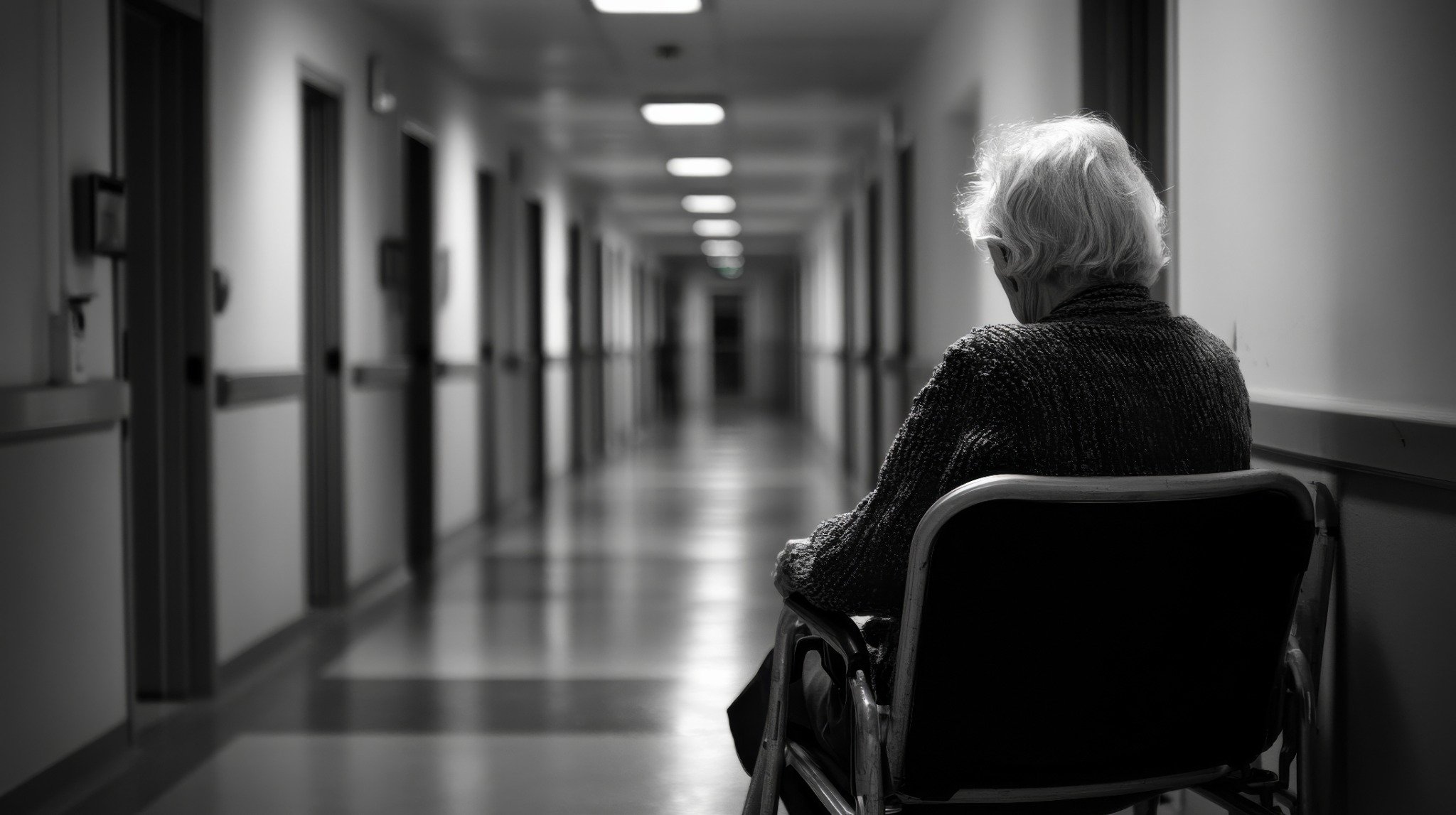
Placing a loved one in a nursing home is not a decision anyone makes lightly. For many families, it is one of the most difficult decisions they will ever make. You spend time researching facilities. You read reviews. You visit in person. You ask questions. You hope that the people entrusted with your loved one’s care will treat them with respect. Unfortunately, the reality is that nursing home neglect and abuse occurs more than it should. Often, it goes unnoticed for far too long.
The Common Signs of Nursing Home Neglect & Abuse
Thankfully, some signs of nursing home neglect are identifiable. Here is a list of things that you can look for:
- Unexplained weight loss or dehydration: While aging can naturally lead to changes in appetite, sudden or significant weight loss is often a serious red flag. If a resident is not being properly assisted during meals, is not receiving adequate nutrition, or is simply being overlooked, malnourishment can occur. Dehydration is equally dangerous. Signs can include dry skin, confusion, dizziness, or recurring Urinary Tract Infections.
- Poor personal hygiene: Nursing home residents should be bathed regularly and dressed in clean clothing. When you visit and notice strong body odor, unwashed hair, dirty nails, or unchanged clothing, it may suggest that staff members are failing to provide routine assistance.
- Bedsores or pressure ulcers: Bedsores typically develop when a resident is left in the same position for extended periods without being repositioned. These sores often appear on the heels, hips, buttocks, or elbows, and they can quickly become severe if left untreated. In many cases, bedsores are preventable.
- Frequent falls or unexplained injuries: Bruises, fractures, or head injuries should never be casually dismissed as a normal part of aging. While accidents can happen anywhere, repeated falls may indicate that residents are not being properly supervised or assisted when moving around the facility.
- Unsanitary living conditions: A nursing home should be clean, orderly, and safe. Soiled bedding, persistent odors, cluttered hallways, or overflowing trash bins may point to larger systemic issues within the facility.
- Changes in mood or behavior: Neglect does not only affect the body. It can take a serious emotional toll. If your loved one suddenly becomes withdrawn, anxious, fearful, or depressed, it may suggest that their needs are not being met. While medical conditions can certainly cause behavioral changes, neglect should never be ruled out.
What Should I Do if I Suspect Nursing Home Neglect?
If you believe your loved one is experiencing neglect in a nursing home, it is critical that you take action as soon as possible. Visit often and vary the days and times that you show up. Document your concerns: take photographs, take notes, and write down dates, times, and details from conversations with staff members. You might want to make an inconspicuous marking on linens or undergarments to see if they are actually being changed.
If your loved one has been injured, due to nursing home neglect or abuse, contact one of the experienced personal injury attorneys at Lacy Katzen, LLP for a free consultation. Lacy Katzen, LLP for a free consultation. We have been assisting those injured due to the negligence of others for over 75 years.