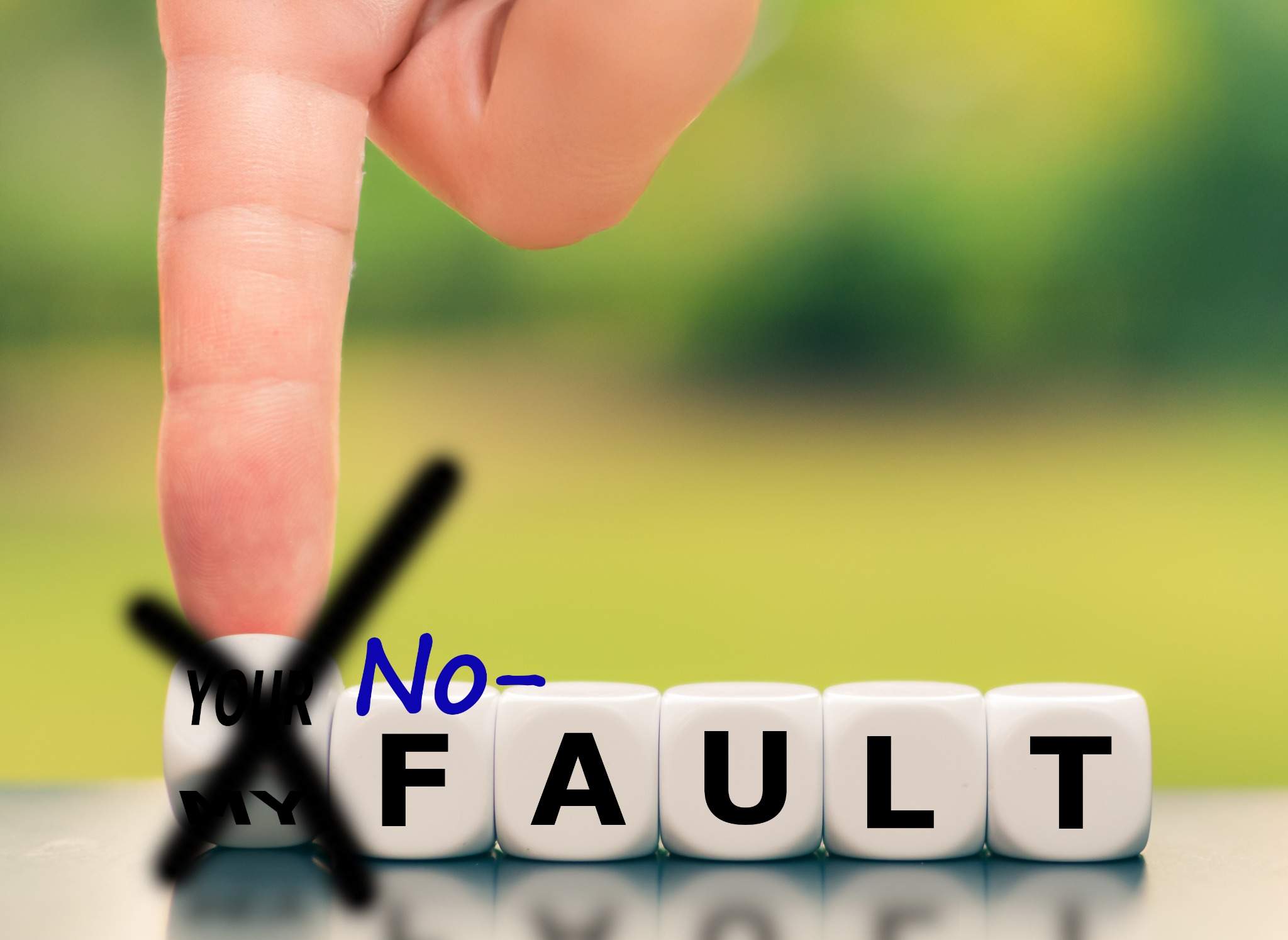
Ending a marriage is almost never simple. Questions about fault, blame, and proof often come up right away, especially for spouses who worry about having to air private issues in court. Fortunately, New York offers divorcing spouses a more straightforward option that removes much of that stress. This option is known as a no-fault divorce, and it has become the most common way couples legally end their marriage in NYS. Read on and reach out to a knowledgeable New York divorce lawyer from Lacy Katzen LLP to learn more about this option and how our team can help guide you through the process. Here are some of the questions you may have:
What does no-fault divorce mean in NYS?
A no-fault divorce allows a marriage to be dissolved without either spouse having to prove wrongdoing by the other. New York formally adopted no-fault divorce in 2010, which significantly changed how divorces are handled. Under the law, the legal ground for a no-fault divorce is that the relationship has suffered an irretrievable breakdown for at least six months. This means that:
- One spouse states that the marriage cannot be repaired
- No evidence of misconduct is required
- The other spouse does not need to agree that the marriage is over
- The court does not investigate why the relationship ended
Do you have to prove fault to get divorced in NY?
In most cases today, the answer is no. No-fault divorce exists specifically to avoid the need to prove fault. Before 2010, spouses often had to rely on fault-based grounds such as adultery, abandonment, or cruel and inhuman treatment, which could be emotionally draining and expensive to litigate. With no-fault divorce:
- You do not need witnesses to testify about marital behavior
- You do not need documents showing misconduct
- You are not required to publicly assign blame
- The focus stays on resolving legal and financial matters
That said, fault-grounds still exist in New York, and in rare situations, they may be strategically useful. For most people, however, no-fault divorce offers a faster and less adversarial path forward.
What issues still need to be resolved in a no-fault divorce?
While no-fault divorce removes the need to prove wrongdoing, it does not eliminate the need to address certain important legal issues. The court will not finalize a divorce until all required matters are settled. These issues often include the following:
- Division of marital property and debts
- Child custody and parenting time arrangements
- Child support obligations
- Spousal maintenance, also known as alimony
- Health insurance and other ongoing financial concerns
Ultimately, while a no-fault divorce can simplify the process, it still isn’t always easy and straightforward. That is why it’s always best to have an attorney in your corner. If you need a divorce lawyer who can advise you on your options and guide you through the divorce process, Lacy Katzen LLP can help. Contact our firm today.