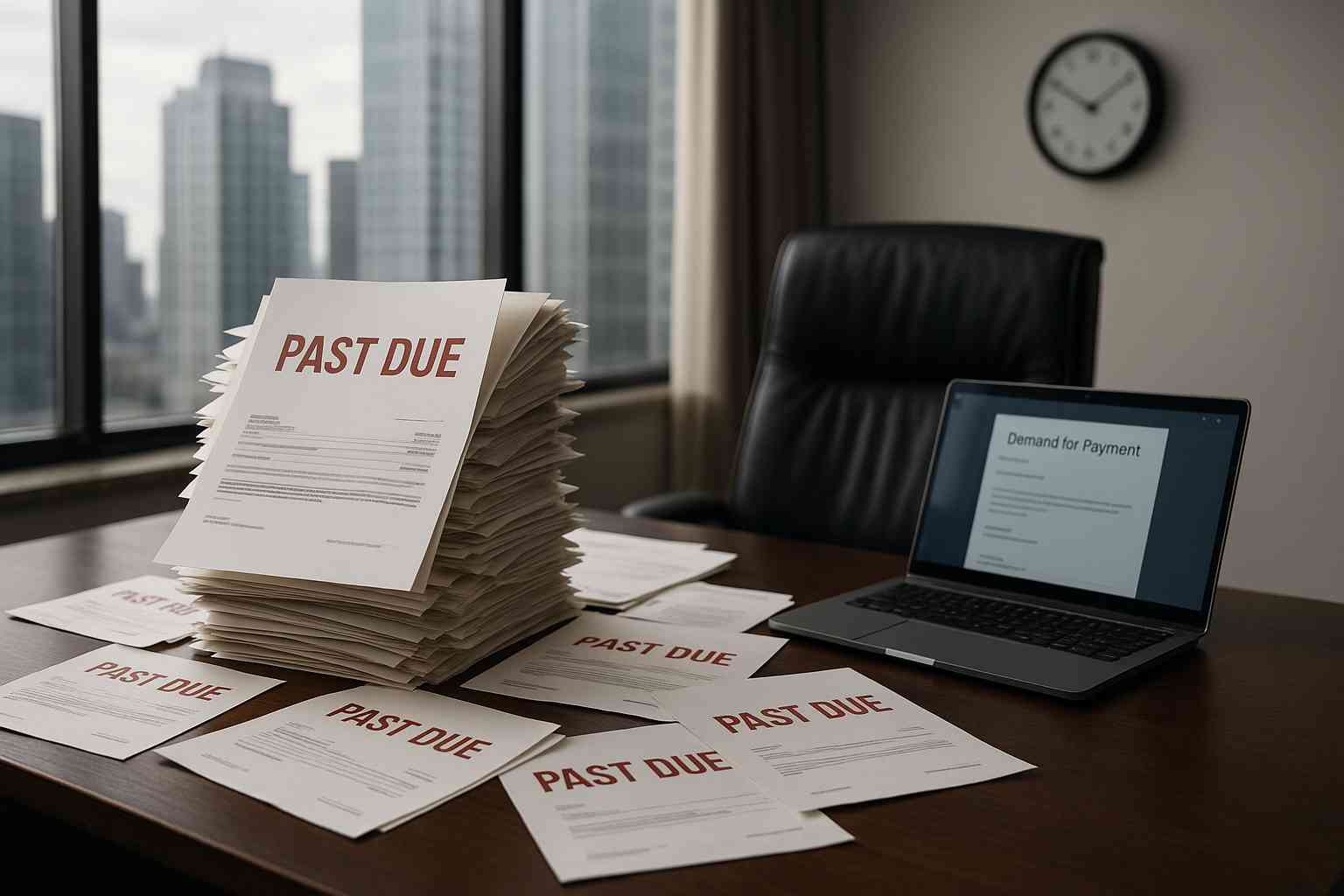
Unpaid invoices are more than just an inconvenience–they’re a real threat to a company’s financial stability. For businesses, where time is money and cash flow is king, having a legal strategy to recover delinquent payments isn’t just helpful–it’s essential. If your clients aren’t paying their bills, you may be wondering what your legal options are. Read on and reach out to a Rochester collections lawyer to learn more about how businesses can protect their bottom line and legally pursue outstanding invoices. Here are some of the questions you may have:
What Steps Should You Take to Pursue Outstanding Invoices Before Legal Action?
It might be tempting to go straight to court, but in most cases, that’s not the best first move. Taking a few preliminary steps can save you time, money, and unnecessary stress. Start by reviewing your contract with the client. Does it clearly outline payment terms? Was there a signed agreement? Documentation is everything–keep copies of invoices, emails, payment reminders, and any relevant communication.
Next, attempt to resolve the issue informally. A professional, written demand for payment, known as a demand letter, can sometimes prompt action. This letter should include the amount owed, the original due date, any late fees, and a final deadline before further steps are taken. In many cases, clients pay once they understand that legal consequences could follow.
If informal efforts fail, it may be time to consider working with a collections attorney. A lawyer can advise you on the most efficient path forward and may even help you avoid a lawsuit altogether.
When Should You Involve a Collections Attorney?
Timing is crucial. If a client has gone silent for more than 60 or 90 days after the invoice due date–or if they’ve made repeated promises to pay that remain unfulfilled–it may be time to escalate. Collections attorneys bring legal authority to the table. Unlike third-party collection agencies, lawyers can take formal legal steps such as filing a lawsuit or obtaining a judgment against the debtor.
In New York, businesses must act within a certain period (typically six years from the date of the breach of contract) to collect on a debt. That may sound like a long time, but the longer a debt sits unpaid, the harder it can be to collect. Evidence gets lost, businesses close, and people move on. Acting promptly not only increases the chances of recovery but also sends a strong message about your company’s professionalism and persistence.
What Legal Tools Are Available for Debt Recovery?
Once you’ve partnered with a collections attorney, you gain access to a variety of legal tools. One of the most common is filing a civil lawsuit to obtain a money judgment. If the court rules in your favor, that judgment can then be enforced through property levies and other methods depending on the debtor’s assets.
In some cases, attorneys may negotiate settlements or create payment plans that allow for structured repayment without dragging out the process in court. Whatever the route, having legal support ensures that the process is compliant with state laws and that your rights as a creditor are protected.
If you would like to know more or require the assistance of a competent collections lawyer, simply contact Lacy Katzen LLP today.