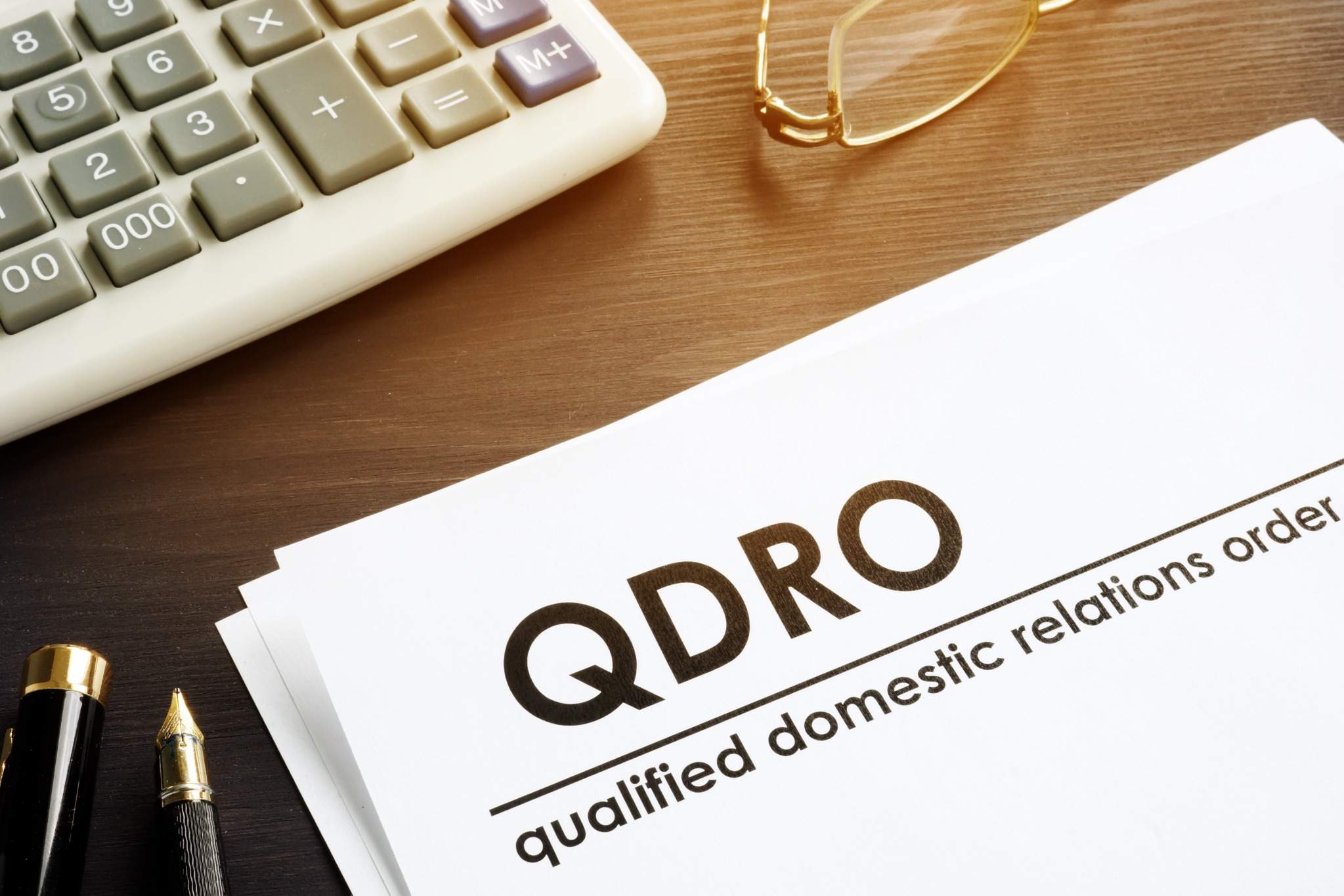
When most people think about divorce, they think about issues such as child custody, child support, alimony, or who gets to keep the marital home. However, one issue that frequently catches people off guard is what happens to retirement accounts during the divorce process. Unfortunately, many spouses do not realize that pensions, 401(k)s, and various other retirement assets are often considered marital property, which means they may be subject to division in a New York divorce. In many cases, this is where a Qualified Domestic Relations Order, more commonly referred to as a QDRO, comes into play.
If you are currently going through a divorce and either you or your spouse has retirement benefits through an employer-sponsored plan, there is a very good chance that you have questions about how these assets are divided and what a QDRO actually does. Please continue reading and reach out to a seasoned Rochester family lawyer from Lacy Katzen LLP to learn more.
What Does a QDRO Actually Do?
Simply put, a Qualified Domestic Relations Order is a court order that allows retirement benefits to be divided between spouses during or after a divorce. Though many people assume that a divorce judgment alone is enough to divide a retirement account, this is generally not the case. Retirement plan administrators typically require a separate order that specifically explains how the retirement assets will be distributed. A QDRO may be used to divide several types of retirement accounts, including the following:
- 401(k) plans
- Pensions
- Profit-sharing plans
- Deferred compensation plans
- Certain other employer-sponsored retirement accounts
Essentially, the QDRO instructs the retirement plan administrator regarding:
- How much of the account the non-employee spouse is entitled to receive
- When benefits should be paid
- How those payments should be distributed
- Whether survivor benefits will apply
Why Are QDROs Important in a Divorce?
In many marriages, retirement accounts are among the most valuable assets accumulated over the years. In some cases, they may even be worth more than the marital residence itself. Because of this, ensuring these assets are properly valued and divided is often a very important part of the divorce process.
New York follows the principle of equitable distribution, which means that marital property is divided in a manner the court considers fair, though fair does not always mean equal. Generally speaking, if retirement contributions were made during the marriage, at least a portion of those retirement benefits may be considered marital property and subject to division. A properly prepared QDRO can help avoid various issues, such as the following:
- Unnecessary tax penalties
- Disputes regarding account balances
- Delays in payment distribution
- Incorrect benefit calculations
- The loss of certain survivor benefits
What Happens During the QDRO Process?
The QDRO process generally begins once spouses either reach an agreement regarding the division of retirement benefits or once the court issues a ruling on the matter. Though every divorce is different, there are several common steps involved throughout the process. Generally, the QDRO process entails the following:
- Reviewing the retirement plan documents
- Determining what portion of the retirement account is marital property
- Drafting the proposed QDRO
- Submitting the proposed order to the retirement plan administrator for approval
- Making any requested revisions
- Filing the finalized QDRO with the court
- Returning the signed order to the plan administrator so the division can be implemented
The truth is, retirement asset division can quickly become very technical, especially in divorces involving substantial assets or long-term marriages.
If you have further questions about QDROs or would like to speak with a knowledgeable attorney about your divorce case, please contact Lacy Katzen LLP today.